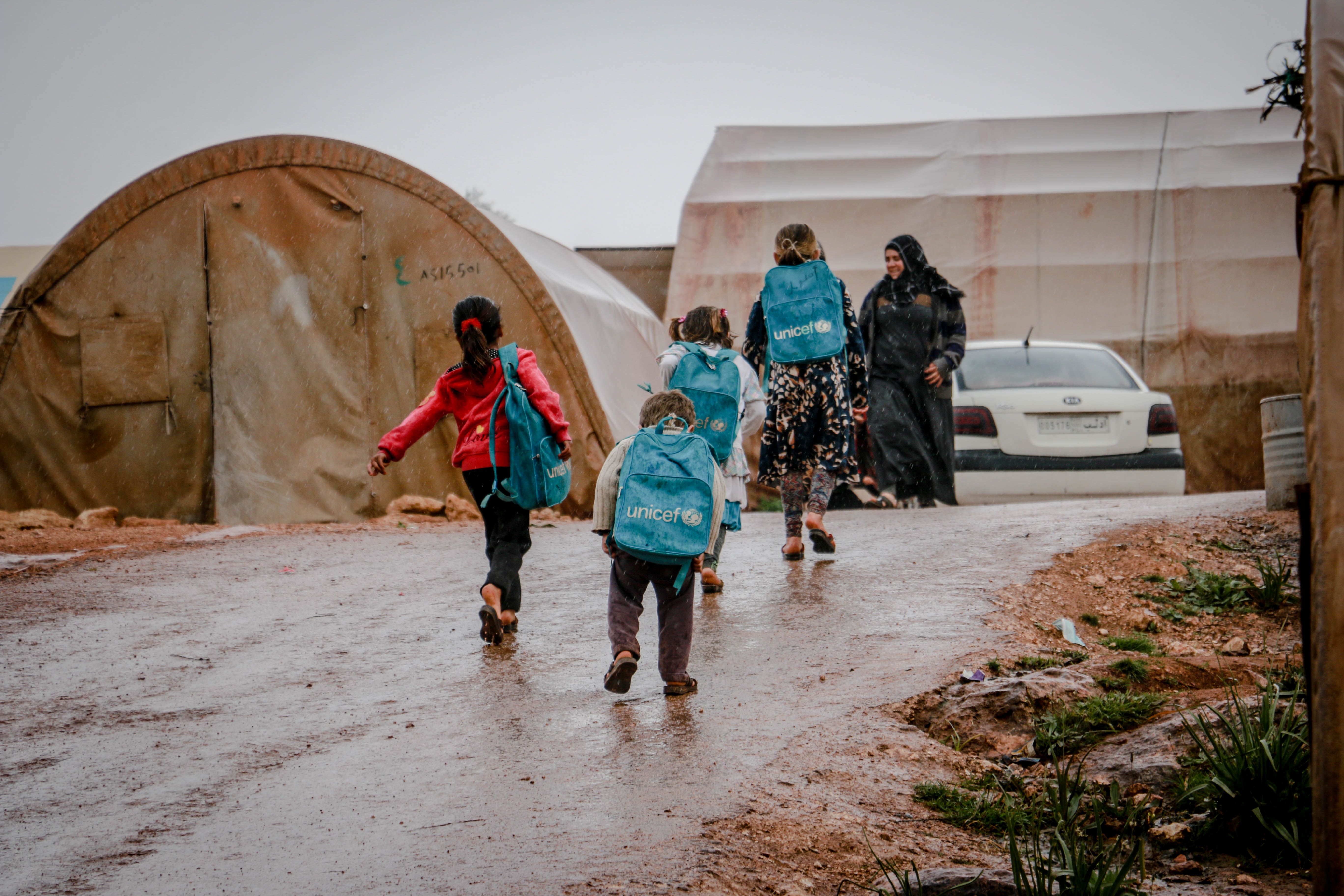
Rohingya Refugee Schools Close in Malaysia as Online Hate Speech Escalates
Several schools serving Rohingya refugee children in Malaysia have closed after a surge in online hate speech, harassment, and threats against the community, raising concerns among human rights groups about children's safety, access to education, and the growing impact of misinformation on social media.
Community leaders and educators say many children are now too afraid to leave their homes, while activists warn that prolonged school closures could have lasting consequences for an already vulnerable refugee population.
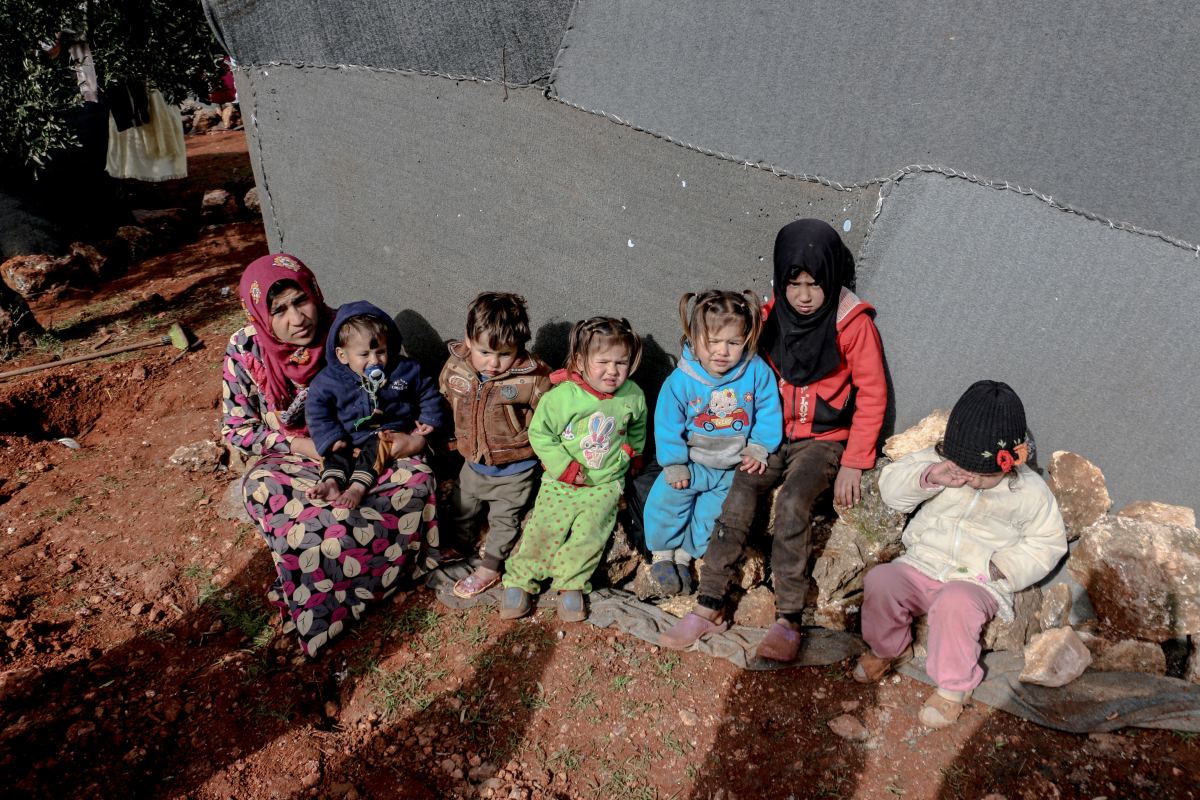
Refugee Children Face Harassment
Twelve-year-old Nur, a Rohingya refugee living in Malaysia, stopped attending school after she said two men threatened her while she was walking to class.
Rights groups say similar incidents have become increasingly common, leaving many refugee families fearful of allowing their children to attend school.
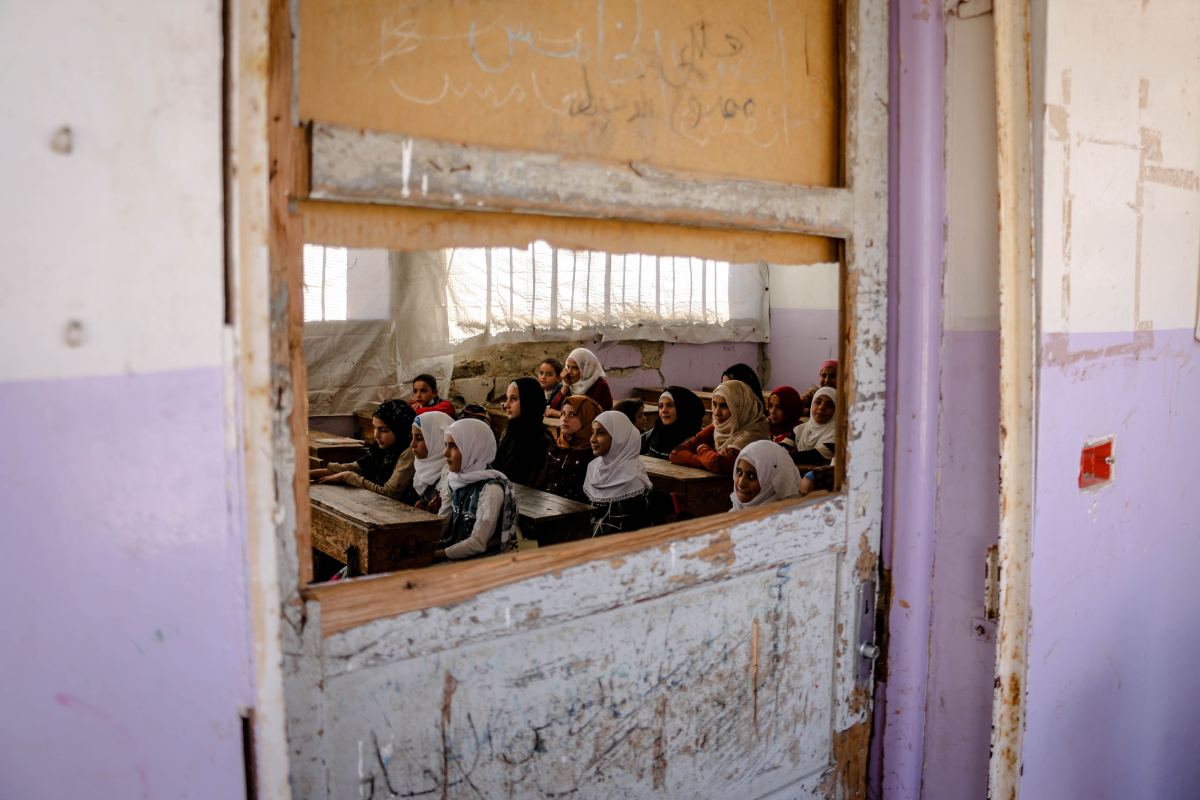
Community activists warn that repeated intimidation is creating long-term psychological trauma for children who have already fled conflict and persecution.
Schools Shut Down Across Malaysia
Educators and community leaders say at least nine schools serving Rohingya children have either suspended operations for safety reasons or been closed by authorities following complaints and increased public scrutiny.
Since Rohingya refugee children are not permitted to enroll in Malaysia's public education system, many rely on community-run learning centers and schools operated by non-governmental organizations.
Some schools that remain open have introduced additional safety measures, including cancelling outdoor activities and advising students not to wear school uniforms to avoid attracting attention.
Online Hate Campaign Intensifies
Human rights organizations say hostility toward the Rohingya increased after a wave of social media posts spread misinformation and inflammatory content targeting the refugee community.
Some online campaigns encouraged users to report Rohingya neighborhoods to authorities, while other posts promoted hostile rhetoric against refugees.
Although several social media platforms removed some reported content, advocacy groups argue that harmful posts continue circulating, raising concerns about the effectiveness of online moderation.
Government Response Draws Debate
Malaysia hosts approximately 120,000 Rohingya refugees registered with the United Nations refugee agency but does not officially recognize them as refugees under domestic law, instead classifying them as undocumented migrants.
Government officials have acknowledged growing public concerns over refugee-related issues while maintaining that deportation cannot be carried out arbitrarily.
At the same time, authorities have taken action against businesses and educational facilities they say are operating without the required permits.
Concerns Over Children's Future
Community organizations warn that extended school closures could lead to increased child labor, child marriage, and homelessness among refugee children by limiting access to education and support services.
Human rights advocates are urging stronger protections against online hate speech while calling for policies that ensure refugee children can continue receiving an education in a safe environment.