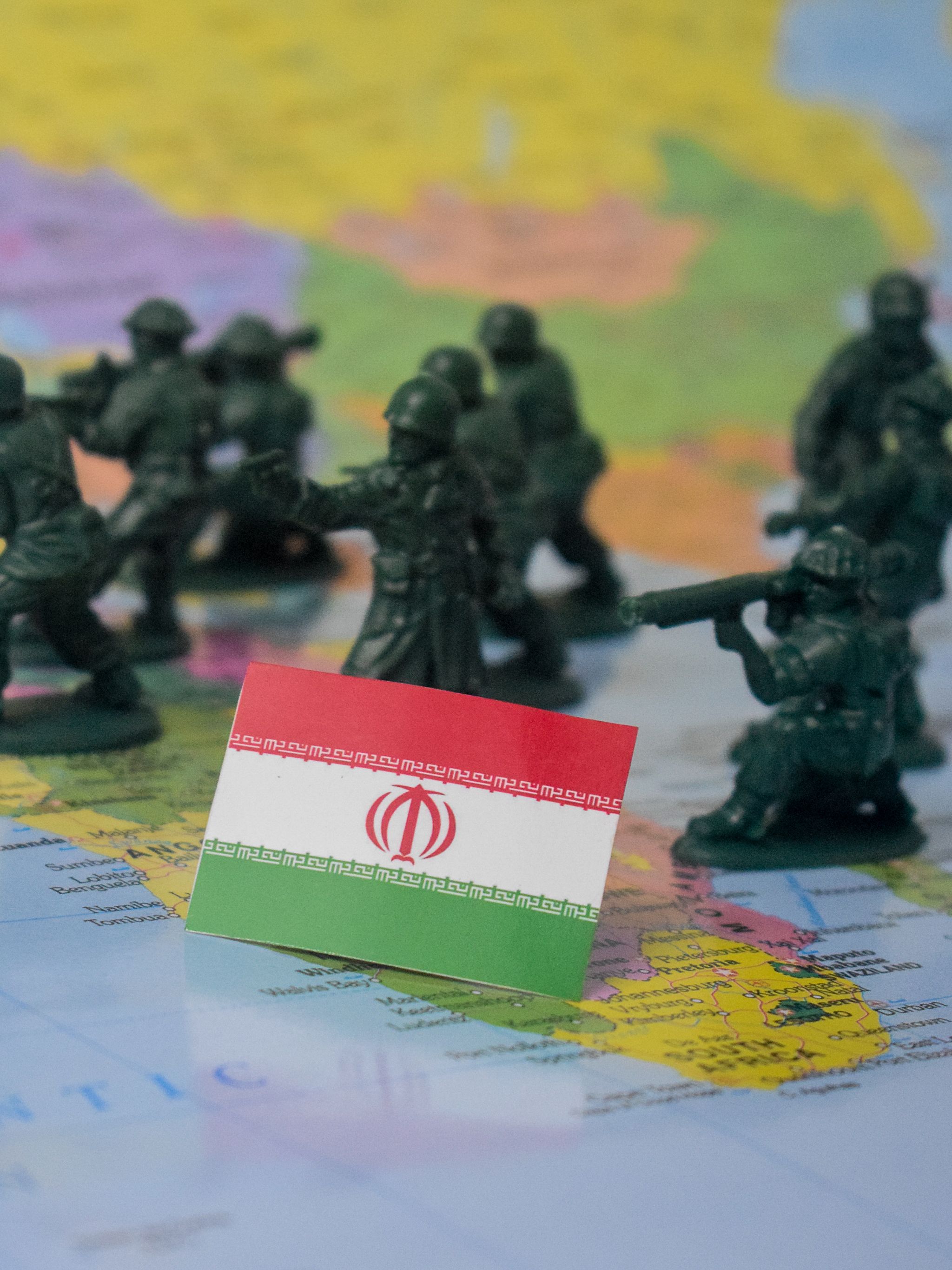
Iran Intensifies Economic Pressure Strategy as Strait of Hormuz Remains Flashpoint
Iran is increasingly relying on economic disruption and strategic pressure rather than direct military confrontation with the United States, according to analysts who say the country's objective is to raise the economic and security costs of the conflict while strengthening its position in any future negotiations.
The strategy places global shipping lanes and energy infrastructure at the center of regional tensions. Instead of seeking a decisive battlefield victory, Iran is focusing on maritime pressure points that influence international trade, oil markets, and diplomatic leverage.
The approach reflects a broader shift in modern geopolitical competition, where economic disruption and control of strategic infrastructure often carry consequences far beyond conventional military operations.
Quick Facts
- Iran is pursuing a strategy aimed at increasing economic and strategic pressure on the United States.
- The Strait of Hormuz, through which roughly 20% of global oil consumption passed before the current conflict, remains central to the dispute.
- Iran has indicated pressure could extend to the Red Sea and Bab al-Mandeb, two additional strategic maritime routes.
- Oman has proposed a Gulf-backed framework for managing navigation through the Strait of Hormuz.
- Gulf countries are strengthening maritime security through a Saudi-led naval coalition focused on protecting commercial shipping.
Why Is the Strait of Hormuz So Important?
The Strait of Hormuz is one of the world's most strategically significant waterways, connecting the Persian Gulf to international shipping routes.
Before the current conflict, approximately one-fifth of global oil consumption moved through the narrow passage, making it critical to global energy markets and international trade.
Any disruption to shipping through the strait can affect energy supplies, freight costs, insurance premiums, and commodity prices worldwide.
Iran has long viewed the waterway as an important source of strategic influence, while the United States maintains that international shipping must remain free from unilateral control.
How Is Iran Applying Economic Pressure?
Direct Answer
Rather than pursuing large-scale military confrontation, Iran is attempting to increase economic and strategic costs by creating uncertainty around major shipping routes, energy infrastructure, and maritime security while seeking greater leverage in future negotiations.
According to analysts, Tehran believes sustained pressure on critical trade corridors can impose financial costs on opponents without triggering a broader conventional war.
Iran has indicated that pressure may not remain limited to the Strait of Hormuz. Officials have suggested that strategic waterways such as the Red Sea and Bab al-Mandeb could also become areas of increased tension, raising concerns for international shipping companies and global supply chains.
This approach reflects a growing trend in international conflicts where economic influence and disruption are increasingly used alongside traditional military capabilities.
Competing Visions for the Strait of Hormuz
Diplomatic discussions have also focused on how navigation through the Strait of Hormuz should be managed.
Oman has presented a Gulf-backed proposal that would introduce voluntary user fees to support navigation management.
Iran is seeking a greater administrative role over the strait, including the authority to impose service charges on commercial vessels using the route.
The United States, however, continues to argue that the Strait of Hormuz should remain an international shipping corridor that is not subject to unilateral control by any single country.
These differing positions remain a major obstacle in ongoing diplomatic efforts.
Diplomatic Signals Remain Mixed
Diplomatic messaging from Washington and Tehran continues to reflect significant differences.
President Donald Trump said talks with Iran were expected to take place on Monday after previously stating that he had postponed a planned military strike in hopes of reaching an agreement on reopening the Strait of Hormuz.
Iranian officials, however, said no negotiations with the United States were currently taking place.
According to Iranian officials, stronger negotiating leverage remains necessary before meaningful discussions with Washington can begin.
The contrasting public statements illustrate the uncertainty surrounding future diplomatic engagement.
Security Experts See a Shift in Modern Conflict
Analysts believe Iran's current strategy extends beyond military deterrence.
Security specialists say Tehran is gradually expanding both the operational methods and geographic scope of pressure, introducing new targets over time while avoiding actions that could immediately trigger full-scale war.
Former diplomatic officials argue that this approach is designed to discourage additional military action while increasing pressure to ease restrictions imposed on Iran.
Regional experts also warn that reciprocal escalation by both sides is making future negotiations increasingly difficult, even if neither government appears to be seeking a direct large-scale military conflict.
Gulf Countries Strengthen Maritime Security
As tensions continue, Gulf nations are expanding defensive maritime cooperation.
A Saudi-led coalition is focusing on protecting commercial shipping through naval escorts, intelligence sharing, and coordinated efforts to secure vital sea lanes.
Analysts compare the coalition's mission to Europe's Aspides naval operation in the Red Sea, which concentrates on safeguarding merchant vessels rather than conducting offensive military operations.
The emphasis on protecting trade routes reflects the growing recognition that economic stability and maritime security are closely interconnected.
Economic Pressure Is Becoming a Central Tool of Geopolitics
The current situation illustrates how modern geopolitical competition increasingly extends beyond traditional military power.
Strategic waterways, shipping networks, energy exports, cyber capabilities, sanctions, and financial pressure have become powerful instruments that governments use to influence rivals while attempting to avoid broader armed conflict.
Because global economies depend on uninterrupted trade and energy supplies, even limited disruptions to key maritime routes can have international consequences far beyond the immediate region.
This evolving landscape means future geopolitical competition is likely to be measured not only by military strength but also by the ability to influence global commerce and critical infrastructure.
What Happens Next?
Analysts believe Iran will continue pursuing a long-term strategy focused on imposing sustained economic and security costs while strengthening its negotiating position.
At the same time, Gulf countries are expected to expand maritime protection efforts, and international diplomacy will remain focused on preventing disruptions to global shipping.
Whether current tensions lead to renewed negotiations or further escalation will largely depend on developments surrounding the Strait of Hormuz and broader regional security dynamics.
Why It Matters
The dispute over the Strait of Hormuz demonstrates how modern conflicts increasingly revolve around economic leverage rather than conventional battlefield victories. Control over strategic waterways, energy flows, and international shipping has become as influential as military power in shaping geopolitical outcomes.
For governments, businesses, and consumers worldwide, the implications extend beyond regional politics. Disruptions to critical maritime routes can affect fuel prices, inflation, global supply chains, and international trade, making maritime security a key component of global economic stability.