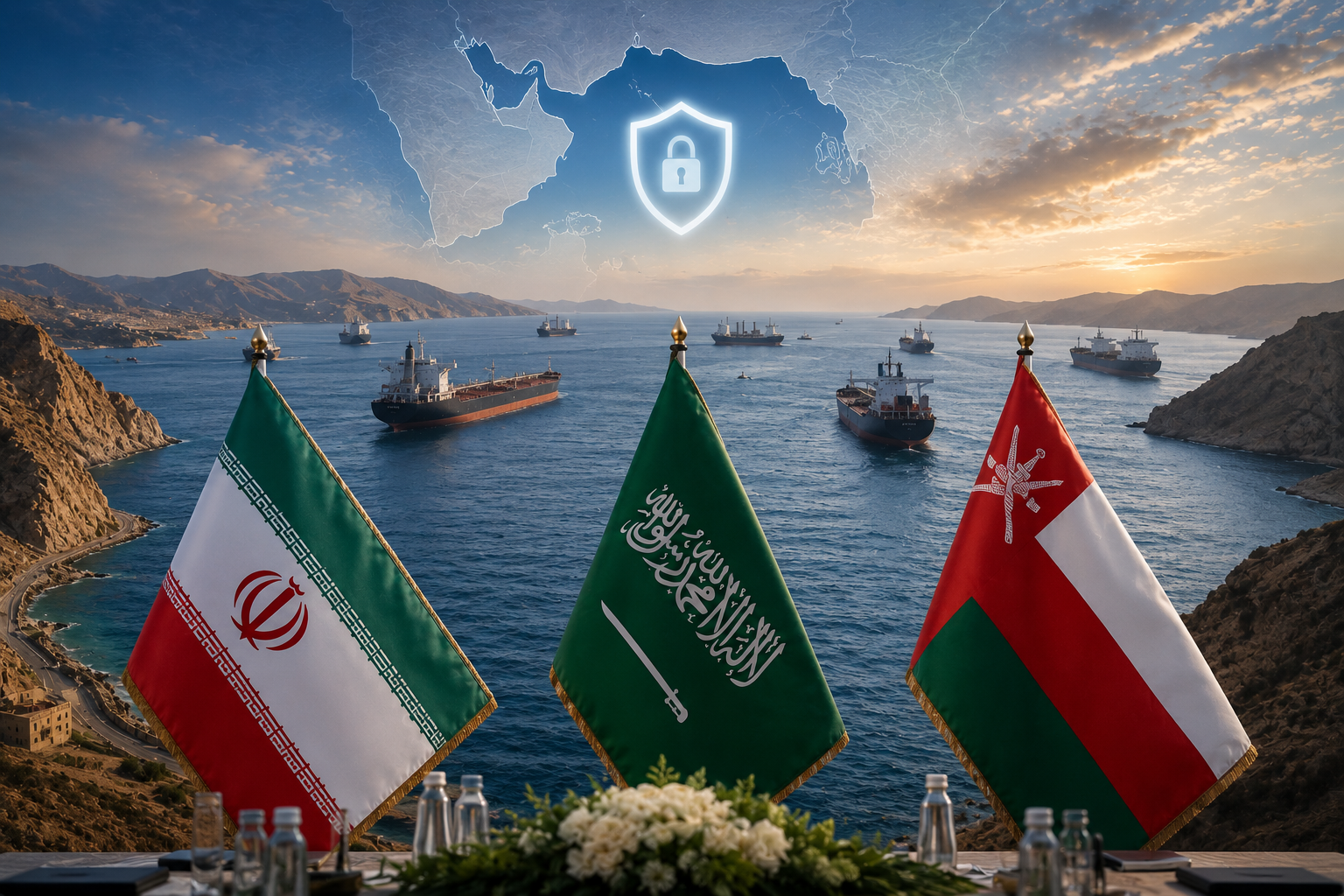
Iran, Saudi Arabia, and Oman Discuss Strait of Hormuz Security Amid Regional Tensions
Iran's Foreign Minister Abbas Araqchi held separate phone calls with his counterparts in Saudi Arabia and Oman to discuss the security of the Strait of Hormuz and broader regional developments. The diplomatic outreach comes as tensions remain high in the Middle East following recent drone attacks, disruptions to commercial shipping, and renewed efforts to prevent further escalation in one of the world's most critical energy corridors.
The discussions highlight ongoing regional efforts to maintain stability while protecting vital international shipping routes.

Iran Holds High-Level Talks With Saudi Arabia and Oman
According to a statement released by Iran's Foreign Ministry, Foreign Minister Abbas Araqchi spoke separately with:
-
Saudi Foreign Minister Prince Faisal bin Farhan
-
Omani Foreign Minister Badr Albusaidi
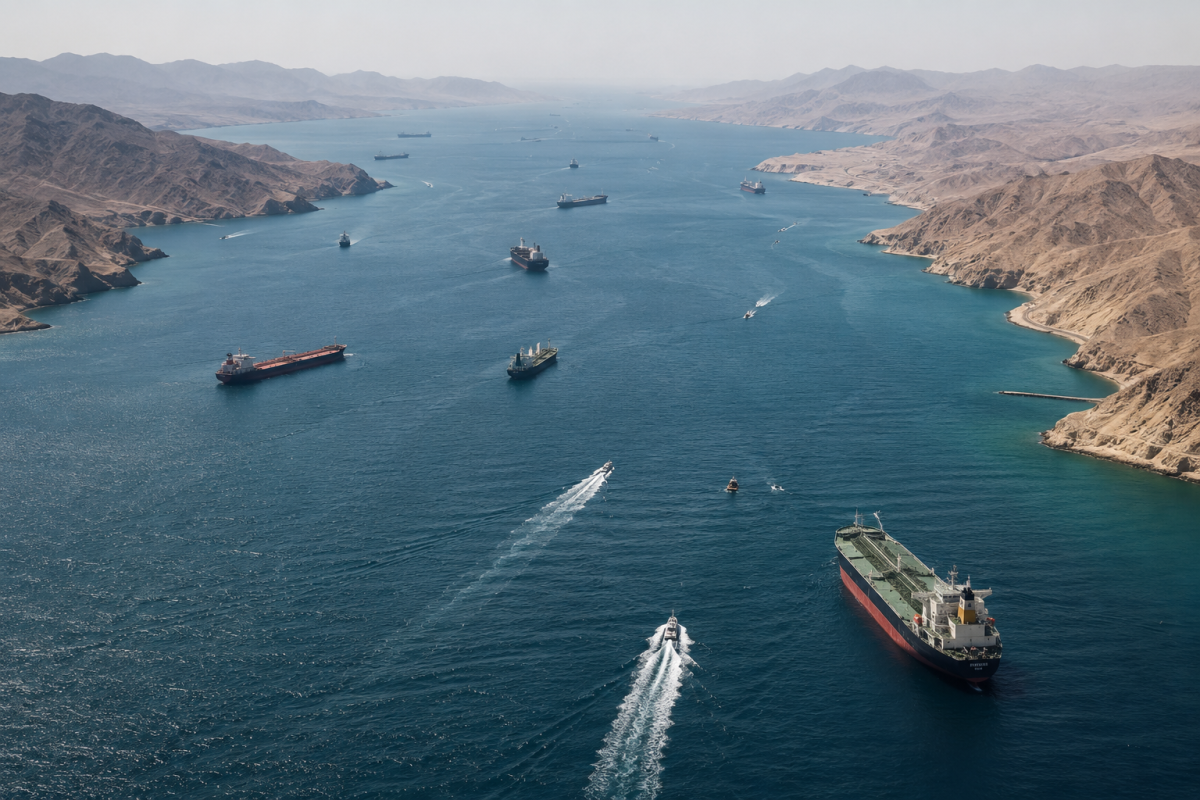
The conversations focused on recent regional developments and the security of the Strait of Hormuz, a strategic waterway through which a significant portion of the world's oil exports passes.
Focus on Regional Stability and Cooperation
Iran said the discussions emphasized the importance of strengthening diplomatic engagement among regional countries.
According to the statement, the ministers discussed:
-
Recent bilateral relations
-
Regional security developments
-
Cooperation to improve stability
-
Joint diplomatic efforts to reduce tensions
The talks reflect continued efforts by regional governments to maintain dialogue despite ongoing geopolitical challenges.
Talks Follow Drone Attack on Saudi Arabia
The phone conversation between Iran and Saudi Arabia came shortly after Saudi authorities reported intercepting drones allegedly launched by Iran-backed armed groups operating in Iraq.
Saudi Arabia said its air defense systems destroyed the drones before they reached targets in the kingdom, including areas near important energy infrastructure.
The incident added to growing concerns over regional security and the protection of critical oil facilities.
Strait of Hormuz Remains a Global Energy Lifeline
The Strait of Hormuz is one of the world's most important maritime chokepoints.
It connects the Persian Gulf with international shipping lanes and carries a large share of global crude oil and liquefied natural gas exports.
Any disruption in the strait can have major consequences for:
-
Global oil supplies
-
Energy prices
-
International shipping
-
Global trade
-
Supply chain stability
Recent military tensions have already reduced shipping traffic through the region, increasing concerns among energy markets.
Oman's Continuing Diplomatic Role
Oman has traditionally served as a neutral mediator in regional disputes and has frequently facilitated dialogue between Iran and Gulf Arab nations.
Its participation in the latest discussions reflects its ongoing role in encouraging diplomatic solutions during periods of heightened tension.
Analysts view Oman's involvement as an important channel for maintaining communication between regional governments.
Diplomatic Efforts Continue Alongside Security Concerns
The latest phone calls come as countries across the Middle East seek to prevent further escalation following weeks of military incidents involving Iran, Saudi Arabia, the United States, and regional armed groups.
While diplomatic contacts have increased, governments continue monitoring security conditions around key shipping routes and energy infrastructure.
Regional stability remains closely tied to the uninterrupted flow of energy exports through the Strait of Hormuz.
What's Next
Regional leaders are expected to continue diplomatic consultations aimed at reducing tensions and ensuring the security of the Strait of Hormuz. Energy markets and global shipping companies will closely monitor future developments, as any changes in regional security could affect oil exports, commercial shipping, and international trade.
FAQ
Why did Iran's foreign minister speak with Saudi Arabia and Oman?
The discussions focused on the security of the Strait of Hormuz, regional developments, and diplomatic cooperation to promote stability in the Middle East.
Why is the Strait of Hormuz important?
The Strait of Hormuz is one of the world's most important oil shipping routes, handling a significant share of global crude oil and natural gas exports.
What prompted the latest talks?
The discussions followed heightened regional tensions, including Saudi Arabia's report that it intercepted drones allegedly launched by Iran-backed armed groups in Iraq.
What role does Oman play?
Oman has long acted as a regional mediator and regularly facilitates diplomatic dialogue between Iran and Gulf countries during periods of tension.
Could these talks affect global energy markets?
While the discussions are diplomatic in nature, efforts to improve security around the Strait of Hormuz are closely watched because stability in the region is critical for global oil supplies and international shipping.