Iran Reportedly Moves to Acquire Chinese Air Defense Missiles as Regional Security Tensions Persist
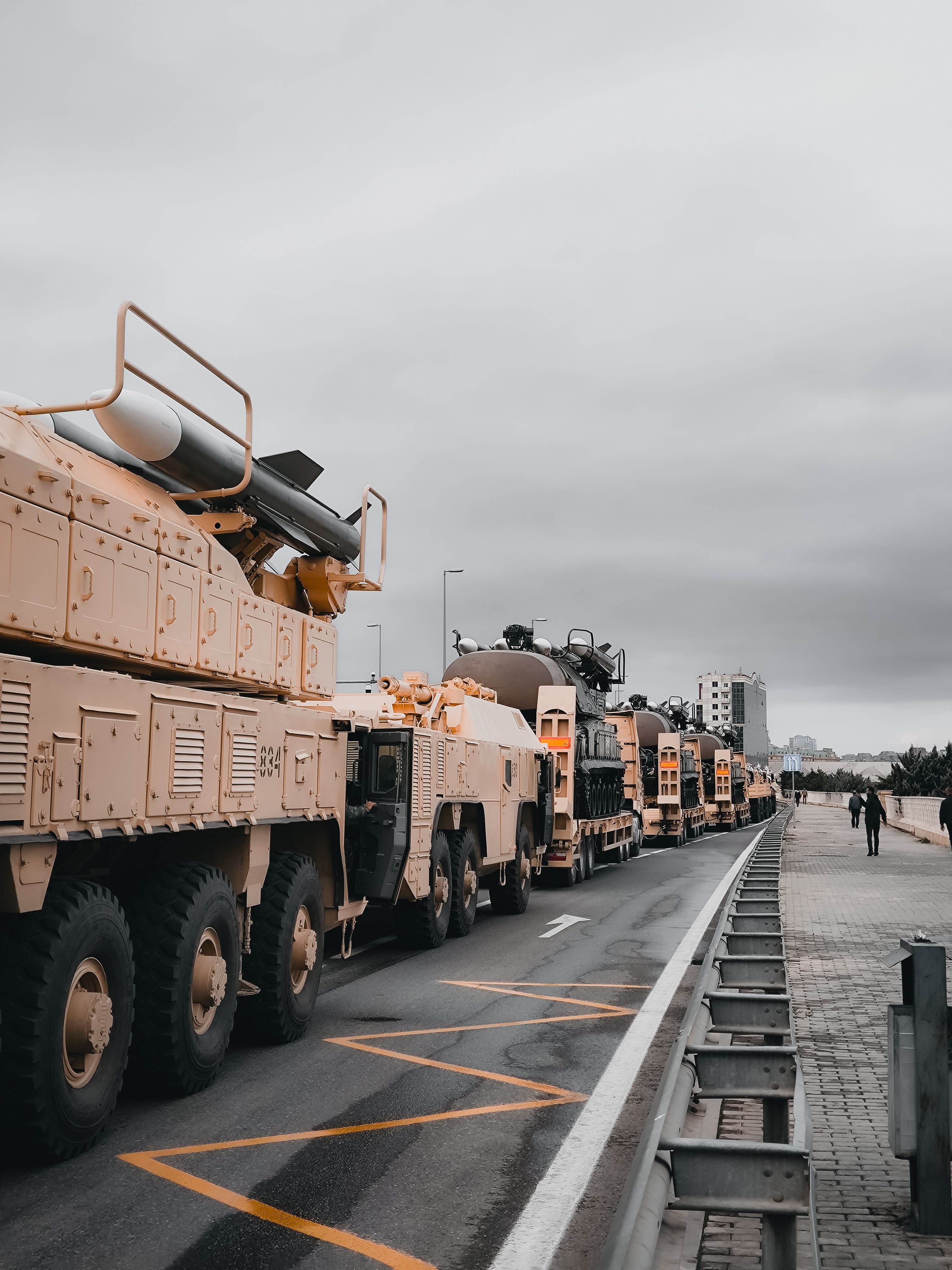
Iran is reportedly preparing to receive hundreds of Chinese-made portable air defense missile systems as it seeks to strengthen its military capabilities following months of conflict and heightened regional tensions. While sources familiar with the reported deal say deliveries could begin within weeks, China has denied the claims, calling the report "groundless."
The reported agreement, if completed, would represent one of Iran's largest recent efforts to reinforce its short-range air defense network amid continued uncertainty over regional security.
Report Claims Iran Ordered Hundreds of Air Defense Systems
According to sources familiar with the matter, Iran has agreed to purchase between 300 and 400 man-portable air defense systems (MANPADS) from China.
The reported package includes:
-
QW-12 shoulder-fired air defense missiles
-
FN-16 portable surface-to-air missile systems
The deal is reportedly valued between $60 million and $70 million, although neither government has officially confirmed the transaction.
Sources also cautioned that delivery schedules and final quantities could still change.
China Denies the Report
China rejected the claims surrounding the alleged weapons agreement.
A spokesperson for China's Foreign Ministry said reports of the transaction were "completely groundless" and reiterated Beijing's position that it supports efforts aimed at promoting peace and reducing conflict.
No official confirmation has been provided by Chinese authorities regarding the reported missile sale.
Iran Looks to Strengthen Air Defense Network
Military analysts say portable air defense systems are designed to defend against:
-
Low-flying aircraft
-
Helicopters
-
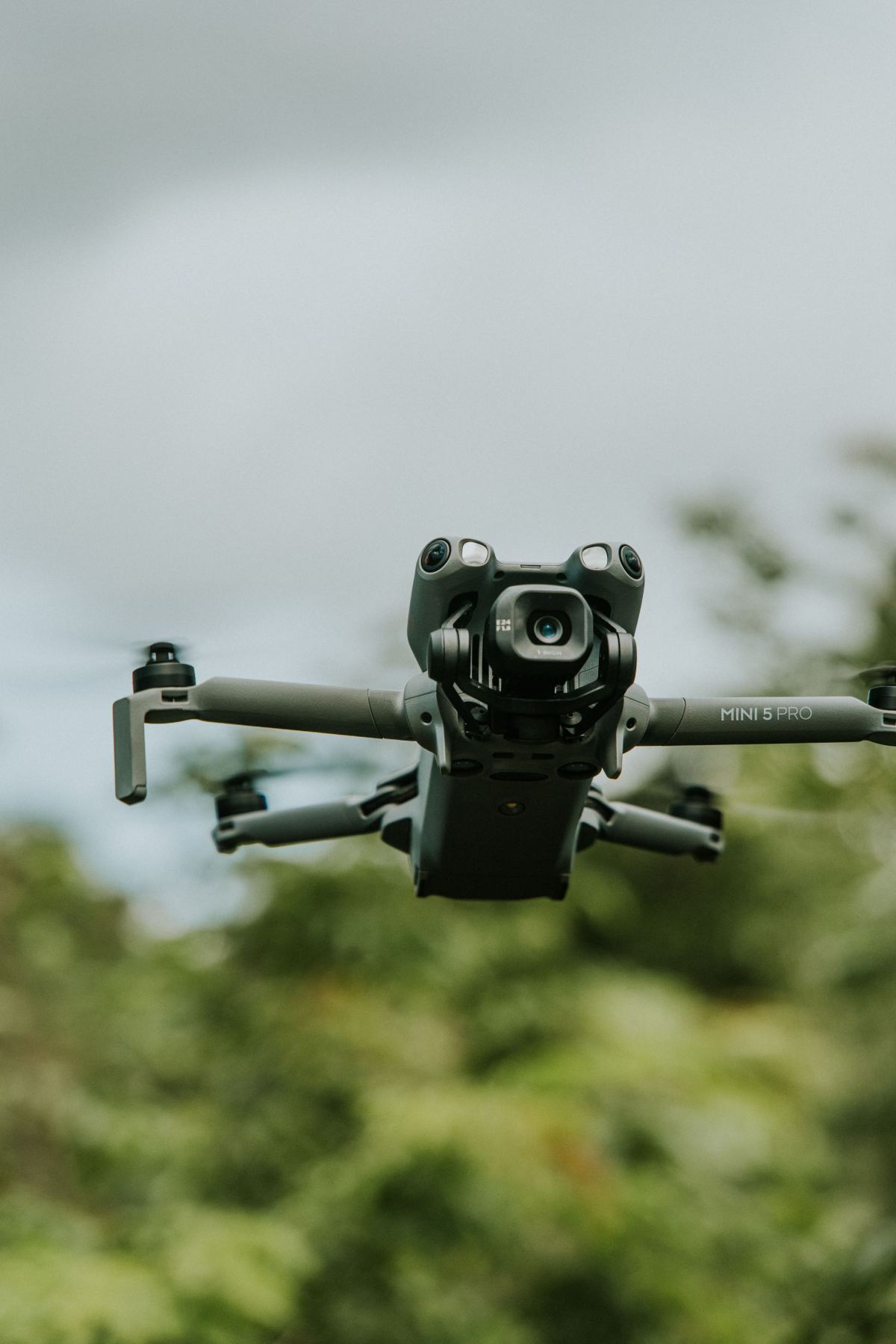
Drones
Unlike fixed air defense batteries, these systems can be rapidly deployed and relocated, making them more difficult to target during military operations.
The reported acquisition comes as Iran continues efforts to reinforce its defensive capabilities following months of regional conflict.
Delivery Routes Remain Unclear
Sources familiar with the reported agreement said the initial shipments could originate from western China before reaching Iran through regional transit routes.
However, implementation details—including transportation methods, delivery schedules, and logistics—have not been independently confirmed.
Pakistan, which was mentioned in some reports regarding possible transit routes, denied any involvement in transferring military equipment.
AI, Drones, and Modern Warfare Increase Demand for Mobile Defenses
Recent conflicts have highlighted the growing importance of defending military bases and critical infrastructure against drones and precision-guided weapons.
Portable missile systems have become increasingly valuable because they:
-
Can be operated by small teams
-
Are easy to relocate
-
Provide flexible short-range protection
-
Help defend strategic facilities against low-altitude threats
Many countries have expanded investments in mobile air defense systems as drone warfare becomes more common.
Regional Military Cooperation Faces Greater Scrutiny
The reported deal has also renewed attention on defense cooperation between China and Iran.
Although Beijing denied the report, analysts continue to monitor military and economic ties between the two countries, particularly as geopolitical competition intensifies across the Middle East and Asia.
Any confirmed expansion of military cooperation could attract additional international scrutiny and influence regional security dynamics.
What's Next
Neither Iran nor China has officially confirmed the reported missile purchase, and key details—including delivery timing and the final scope of the agreement—remain uncertain. Investors and geopolitical analysts will closely watch for official statements, satellite imagery, or government disclosures that could clarify whether the reported transaction proceeds and how it may affect security developments across the Middle East.
FAQ
What weapons is Iran reportedly seeking to purchase?
According to sources, Iran is expected to acquire between 300 and 400 Chinese-made portable air defense missile systems, including QW-12 and FN-16 launchers.
Has China confirmed the reported deal?
No. China's Foreign Ministry has denied the report and described the claims as groundless.
Why are portable air defense systems important?
These systems are designed to defend against low-flying aircraft, helicopters, and drones while offering greater mobility than fixed air defense installations.
Is Pakistan involved in the reported deliveries?
Pakistan has rejected reports suggesting it would play a role in transporting military equipment to Iran.
What should observers watch next?
The focus will be on whether either government officially confirms the reported agreement, how any deliveries are carried out, and what impact the development could have on regional security and international relations.