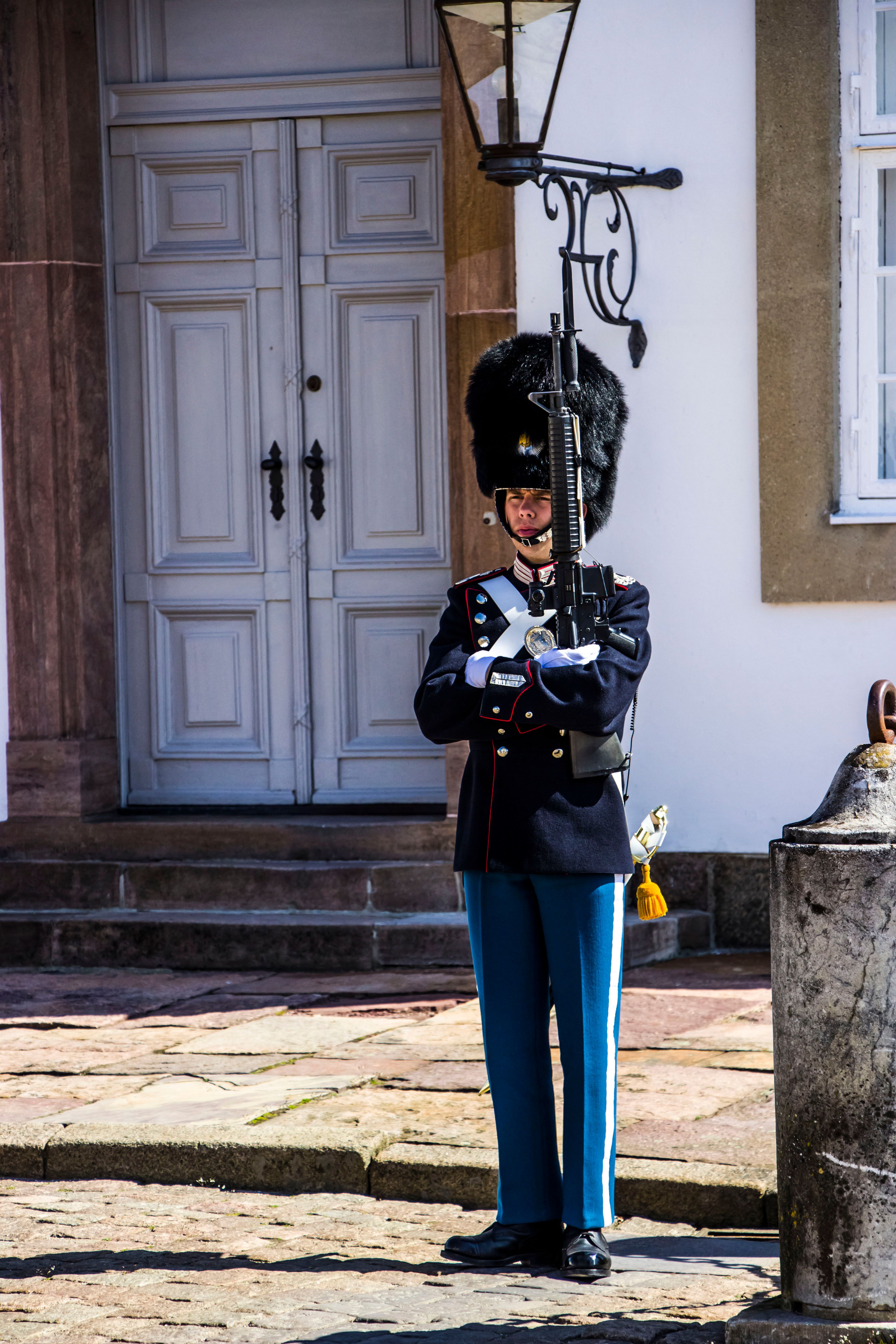
Denmark Launches Expanded Military Conscription as European Security Priorities Shift
Denmark has begun implementing a significantly expanded military conscription program, requiring approximately 1,600 new recruits to complete 11 months of service as the country strengthens its armed forces in response to changing security conditions across Europe.
The new program marks one of Denmark's most significant defense policy changes in decades. Beyond extending military service from four months to 11 months, the reforms also broaden conscription to include women and introduce new operational training aimed at preparing recruits for modern military challenges.
The initiative reflects a wider trend across Europe, where several countries are reassessing national service programs as governments seek to improve defense readiness amid an evolving geopolitical landscape.
Quick Facts
- Around 1,600 recruits have begun Denmark's expanded military service program.
- Mandatory service has increased from 4 months to 11 months.
- Denmark plans to increase annual conscripts from 5,000 to 7,500 by 2033.
- The program now includes women under the expanded conscription framework.
- More than 100 conscripts will deploy to Greenland later this month.
- Approximately 20% of this year's intake are women, according to AFP.
What Has Changed in Denmark's Military Service?
Denmark approved the reforms in 2024 as part of a broader effort to strengthen national defense capabilities.
Under the new structure, recruits complete:
- Five months of basic military training
- Six months of operational service
The Danish Armed Forces are also modernizing military training by introducing specialized career paths, including a drone platoon within the Special Operations Command, reflecting the growing importance of unmanned systems in contemporary military operations.
Officials say expanding both the duration and scope of military service will provide recruits with more practical operational experience before completing their service.
Why Is Denmark Expanding Conscription Now?
Danish officials have linked the reforms to the changing security environment in Europe following Russia's full-scale invasion of Ukraine.
The conflict has prompted many European governments to review defense strategies, increase military spending, and strengthen armed forces to address potential long-term security risks.
Reuters also reported that Denmark's military planning has been influenced by growing strategic attention on the Arctic region. Security discussions intensified after U.S. President Donald Trump repeatedly advocated for the United States to take control of Greenland, proposals that were rejected by both the Danish and Greenlandic governments.
These developments have reinforced Denmark's focus on strengthening its defense capabilities both within Europe and across its Arctic territories.
What Is Denmark's Plan for Greenland?
Direct Answer
Denmark plans to deploy military conscripts to Greenland for the first time later this month, with more than 100 recruits expected to serve there for approximately one month while assuming selected operational responsibilities from professional military personnel.
The Greenland deployment represents a new element of Denmark's conscription system and reflects the country's growing attention to Arctic security.
Rather than replacing professional forces entirely, conscripts will support routine operational duties, allowing experienced personnel to focus on other defense priorities.
The initiative also provides recruits with practical experience in one of Denmark's strategically important territories.
How Does Denmark's Conscription System Work?
Military service applies to healthy young adults when they turn 18 years old.
Although Denmark maintains compulsory military service through a lottery system, the armed forces have traditionally relied on volunteers to fill most available positions.
Lotteries are generally used only when volunteer numbers fall short of military staffing requirements.
The expanded program is expected to increase annual recruitment from 5,000 conscripts to approximately 7,500 by 2033, providing the armed forces with a larger pool of trained personnel.
Why Are More European Countries Revisiting National Service?
Denmark's reforms reflect a broader shift taking place across Europe.
Several governments have reexamined military readiness in response to heightened geopolitical tensions, changing defense priorities, and the need to strengthen reserve forces. While each country's approach differs, the underlying objective is similar: building armed forces capable of responding to a more uncertain security environment.
Supporters argue that expanded national service can improve defense preparedness, develop specialized technical skills, and strengthen military reserves. Critics, however, often point to the financial costs, administrative demands, and broader social implications of expanding compulsory service.
As European security challenges continue to evolve, national service has re-emerged as an important policy discussion rather than a legacy institution.
[INTERNAL LINK]
Princess Isabella Among the New Recruits
The latest intake also attracted public attention after Princess Isabella of Denmark, 19, began her military service alongside other recruits, according to AFP.
Her participation comes as women formally become part of Denmark's expanded conscription framework.
AFP also reported that women account for approximately 20% of this year's group of conscripts, highlighting the broader changes taking place within Denmark's armed forces.
What Happens Next?
Denmark will continue implementing the expanded program over the coming years while gradually increasing annual recruitment toward its 2033 target.
Military planners will also evaluate the effectiveness of new operational training, including specialized units such as drone operations and Arctic deployments.
The first deployment of conscripts to Greenland later this month is expected to provide an early indication of how the revised system performs under operational conditions.
Why It Matters
Denmark's expanded military service program illustrates how European nations are adapting defense policies to meet changing security realities. By extending service, broadening participation, and introducing modern operational training, the country aims to strengthen both immediate military readiness and long-term resilience.
The reforms also reflect a wider European debate about the future of national service. As governments respond to evolving geopolitical risks, compulsory military service is increasingly being viewed not only as a recruitment tool but also as part of broader national security planning for the decades ahead.