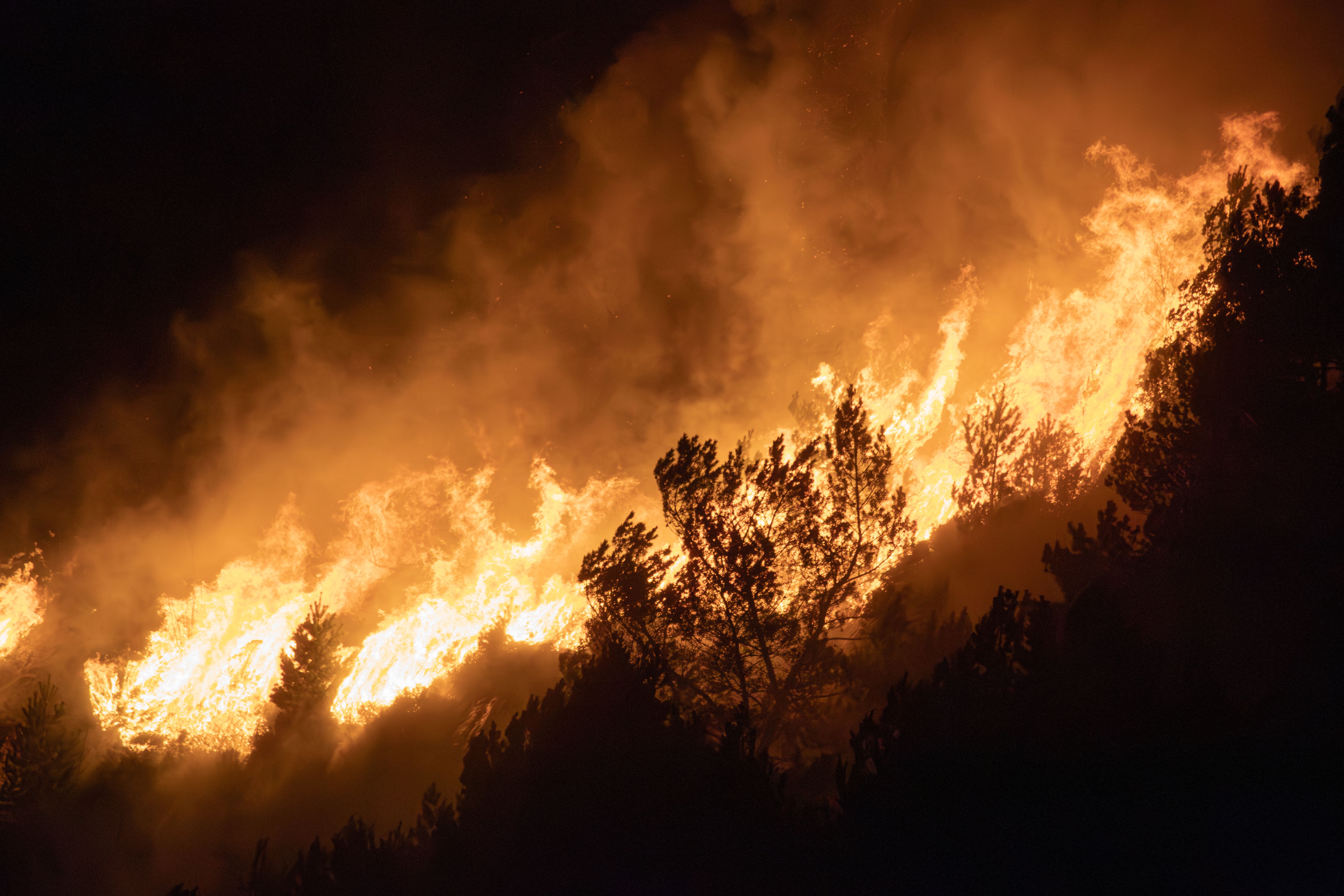
Climate Change Made Spain and France's Devastating Wildfires Far More Likely, Scientists Say
Human-caused climate change dramatically increased the likelihood of the extreme weather conditions that fueled this week's deadly wildfires in Spain and France, according to two new scientific studies. Researchers found that climate change made Spain's fire-prone conditions about 20 times more likely and significantly increased wildfire risk across Southern Europe as rising temperatures continue to intensify heat and drought.
The findings add to growing scientific evidence that climate change is making extreme wildfire conditions more frequent and severe across Europe.
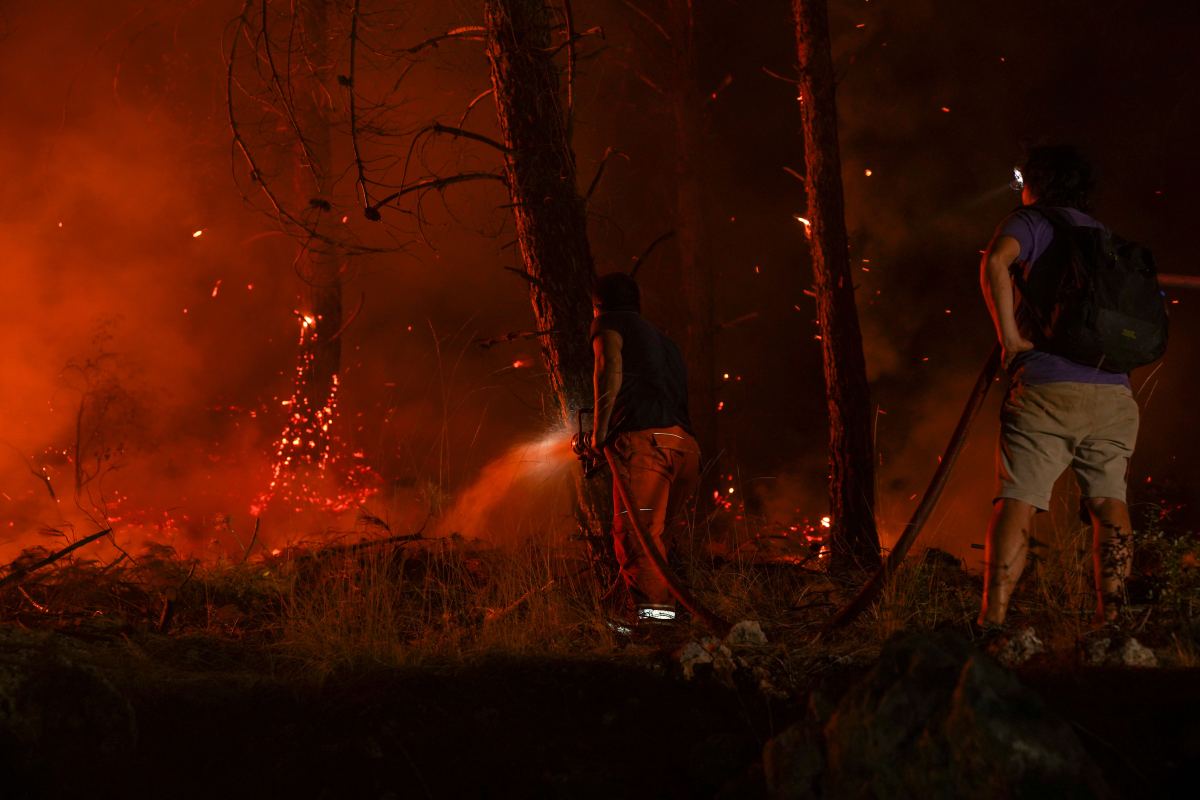
Scientists Link Extreme Fire Weather to Climate Change
Researchers from World Weather Attribution (WWA) conducted a rapid analysis while the wildfires were still burning.
According to the study:
-
Climate change made Spain's extreme fire weather 20 times more likely.
-
The likelihood of severe wildfire conditions in France doubled.
-
Over the past 26 years, the chances of extreme fire weather have tripled in Spain and increased by 40% in France.
The researchers examined factors such as temperature, drought, humidity, and wind—conditions that strongly influence wildfire behavior.
Southern Europe Is Experiencing More Dangerous Fire Seasons
A separate study published in the journal Scientific Reports found that Southern Europe is experiencing many more days with weather conditions favorable for large wildfires.
Researchers reported that:
-
Extreme fire-weather days have increased from about 10 days per year to roughly 25 days annually.
-
Those high-risk days are now around 50% more intense than they were between 1981 and 2010.
Scientists say the combination of higher temperatures and prolonged drought has created conditions that allow fires to ignite more easily and spread much faster.
Heat and Drought Created Ideal Conditions for Wildfires
Scientists said Spain experienced a unique sequence of weather events this year.
An unusually wet winter encouraged vegetation growth, but it was followed by severe drought and record summer heat.
As plants dried out, they created abundant fuel for fast-moving wildfires.
In France, dense pine forests combined with hot, dry conditions to increase wildfire risk.
Climate Change Is Outpacing Fire Prevention Efforts
Researchers noted that Southern Europe had made significant progress in reducing wildfire damage through improved firefighting strategies and land management.
However, they say worsening climate conditions are beginning to outweigh those improvements.
According to the studies, increasingly extreme weather is making many fires more difficult to control, even with modern firefighting resources.
Scientists Call for Faster Climate Action
Climate experts say reducing greenhouse gas emissions remains the most effective long-term strategy for lowering future wildfire risk.
They argue that continued warming will likely increase the frequency and intensity of dangerous fire weather unless global emissions decline.
Researchers also emphasized the importance of adapting land management practices and improving wildfire preparedness as climate conditions continue to evolve.
Wildfires Continue to Threaten Communities Across Europe
Southern Europe has experienced increasingly destructive wildfire seasons in recent years, affecting homes, forests, infrastructure, and public health.
Scientists warn that rising temperatures, prolonged drought, and changing weather patterns could continue increasing wildfire risks across the region if current climate trends persist.
What's Next
Researchers are expected to continue studying the relationship between climate change and extreme wildfire events as Europe faces increasingly severe fire seasons. Governments may also evaluate additional climate adaptation measures, forest management strategies, and emergency response planning to reduce future wildfire risks while global efforts to cut greenhouse gas emissions continue.
FAQ
How did climate change affect the Spain wildfires?
Researchers from World Weather Attribution concluded that human-caused climate change made the extreme fire weather conditions in Spain about 20 times more likely.
What did scientists find about wildfire risk in Southern Europe?
A separate study found that the number of extreme fire-weather days has more than doubled over recent decades, with those days also becoming significantly more intense.
Why are wildfires becoming more severe?
Scientists point to a combination of rising temperatures, prolonged drought, lower humidity, and stronger fire-weather conditions that make fires easier to ignite and spread.
Can improved firefighting alone prevent these fires?
Researchers say better firefighting and land management remain important, but increasingly extreme weather is making many wildfires harder to control despite those improvements.
What should people watch next?
Scientists will continue monitoring wildfire trends, while policymakers are expected to focus on climate adaptation, forest management, emergency preparedness, and long-term efforts to reduce greenhouse gas emissions.