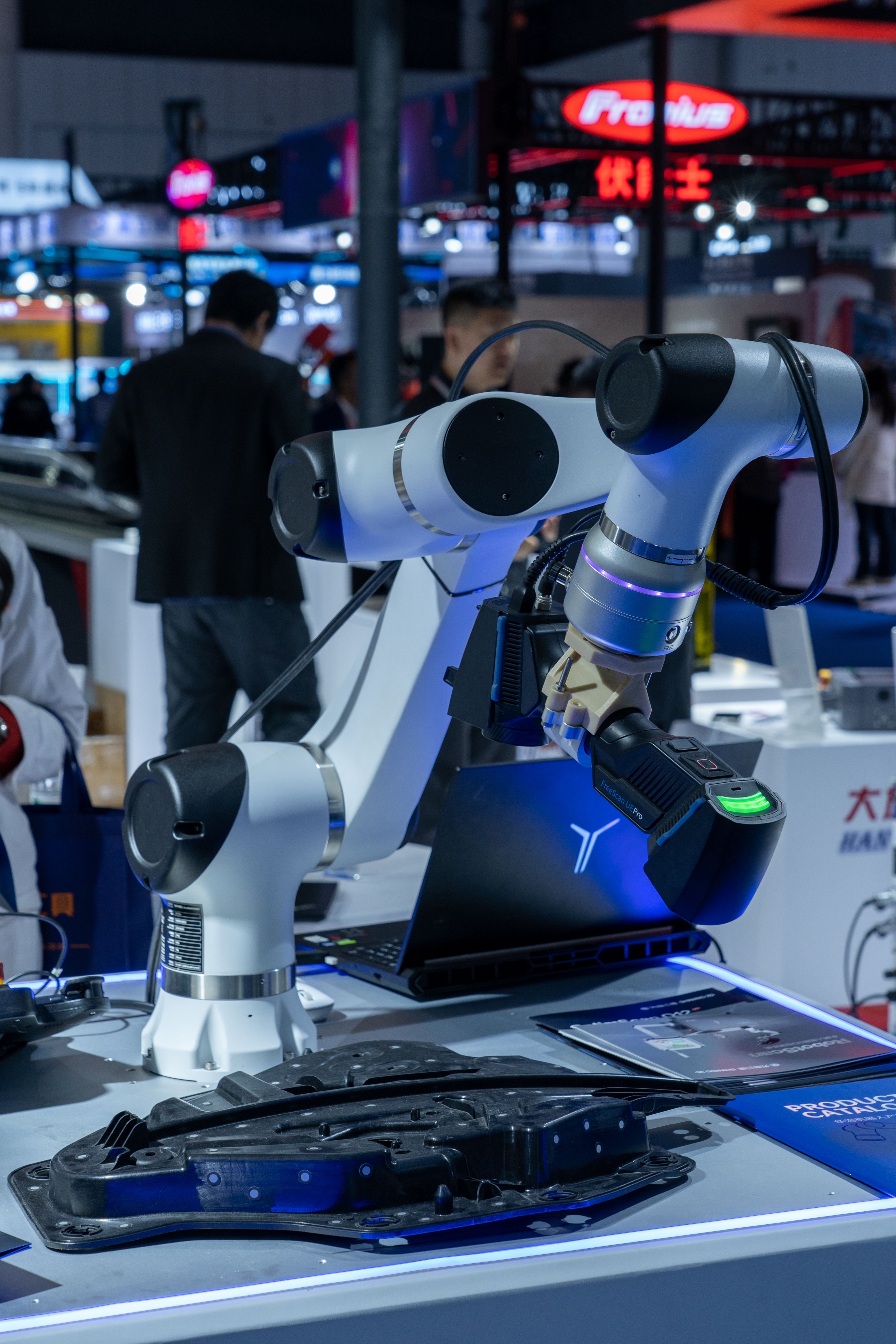
China Warns of Retaliation if U.S. Moves Forward With Ban on Chinese Robots and Power Inverters
China has warned it will take retaliatory measures if the United States proceeds with restrictions on imports of Chinese-made robots and power inverters. The warning comes after U.S. regulators proposed new rules aimed at protecting critical AI infrastructure and reducing potential national security risks tied to foreign technology.
The latest exchange signals another escalation in technology tensions between the world's two largest economies as both countries compete for leadership in artificial intelligence, advanced manufacturing, and critical infrastructure.
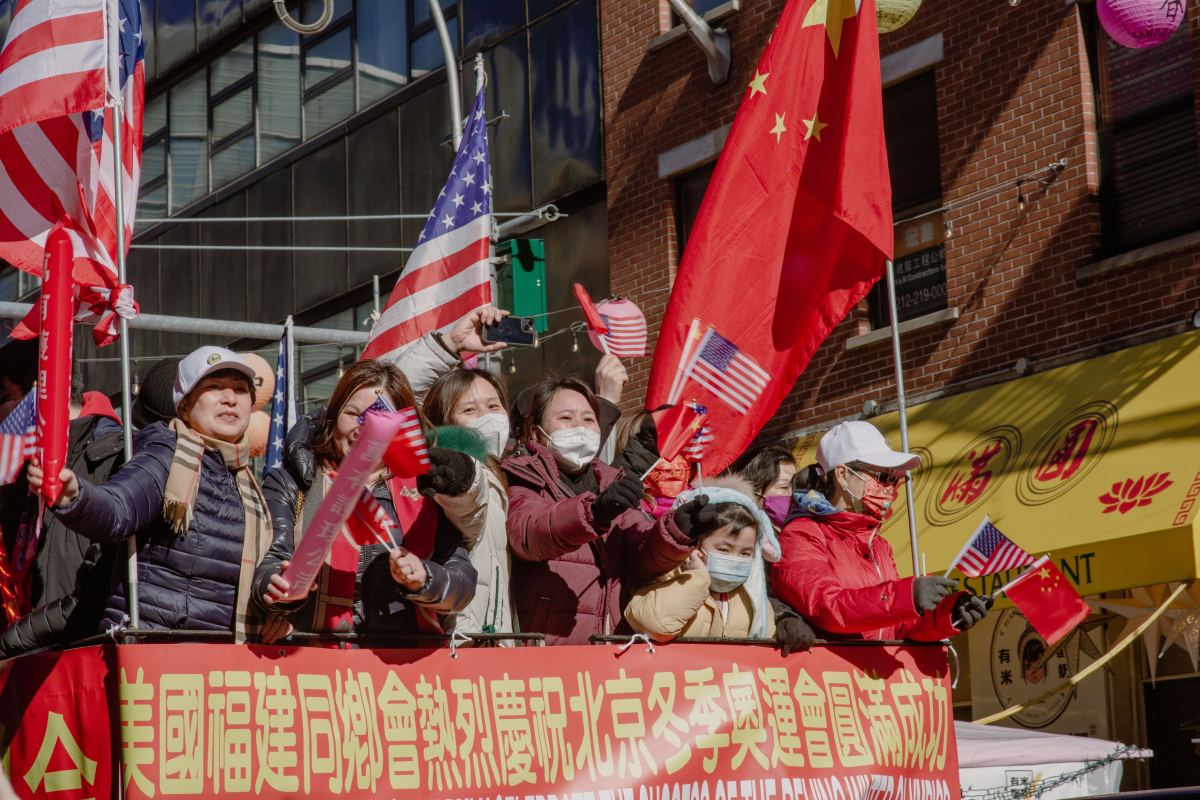
Beijing Criticizes Proposed U.S. Restrictions
China's Ministry of Commerce said it strongly opposes the proposed U.S. measures targeting Chinese robots and power inverters.
The ministry urged Washington to immediately withdraw the restrictions, arguing that they unfairly target Chinese companies and products.
Chinese officials also stated that they would take necessary steps to protect the country's economic interests if the measures are implemented.
U.S. Focuses on National Security and AI Infrastructure
The dispute follows new proposals from the U.S. Federal Communications Commission (FCC) aimed at strengthening the country's AI infrastructure and reducing reliance on foreign technology.
The proposed measures are intended to:
-
Protect critical AI systems from potential security risks
-
Encourage domestic manufacturing
-
Reduce dependence on imported technology used in strategic industries
U.S. officials have increasingly emphasized supply chain security as artificial intelligence becomes a key driver of economic and national competitiveness.
China Calls the Measures Unfair
Chinese officials accused the United States of expanding the definition of national security to justify broader trade restrictions.
According to Beijing, the proposed import controls distort market competition and create unnecessary barriers for Chinese manufacturers.
The ministry also argued that the restrictions could negatively affect businesses and industries in both countries by disrupting established supply chains.
Technology Rivalry Continues to Intensify
The disagreement reflects the broader technology competition between China and the United States.
In recent years, both governments have introduced policies affecting sectors such as:
-
Artificial intelligence
-
Advanced semiconductors
-
Telecommunications equipment
-
Electric vehicles
-
Renewable energy technology
-
Robotics
These industries are increasingly viewed as strategically important for long-term economic growth and national security.
Businesses Face Growing Uncertainty
If the proposed restrictions move forward, manufacturers and technology companies on both sides could face higher costs and supply chain adjustments.
Companies involved in robotics, industrial automation, renewable energy equipment, and AI infrastructure may need to diversify suppliers or shift production strategies as trade tensions continue.
Industry analysts say prolonged uncertainty could also slow investment decisions in some technology sectors.
Trade Tensions Expand Beyond Semiconductors
While semiconductor restrictions have dominated recent U.S.-China disputes, the latest proposal signals that scrutiny is expanding into other advanced technologies.
Robotics and power electronics are becoming increasingly important as countries invest in automation, smart manufacturing, and next-generation AI infrastructure.
The outcome of this dispute could influence future trade policies covering additional emerging technologies.
What's Next
The United States has not finalized the proposed restrictions, leaving room for further regulatory review and possible diplomatic discussions. China has indicated it is prepared to respond if the measures are adopted, raising the possibility of additional trade actions between the two countries. Businesses and investors will closely monitor future announcements as the technology rivalry continues to evolve.
FAQ
Why is China threatening retaliation against the United States?
China says the proposed U.S. restrictions unfairly target Chinese companies and has warned it will take countermeasures if the import ban moves forward.
What products are affected by the proposed U.S. restrictions?
The proposal focuses on certain Chinese-made robots and power inverters that U.S. regulators believe could pose national security risks.
Why is the U.S. introducing these measures?
U.S. officials say the goal is to protect critical AI infrastructure, strengthen domestic manufacturing, and reduce security risks associated with foreign technology.
How could businesses be affected?
Companies involved in robotics, AI infrastructure, and industrial equipment could face supply chain disruptions, higher costs, and increased uncertainty if trade restrictions expand.
What should investors watch next?
Investors should monitor whether the U.S. finalizes the proposed rules, China's response to any new restrictions, and the broader impact on global technology supply chains and AI-related industries.