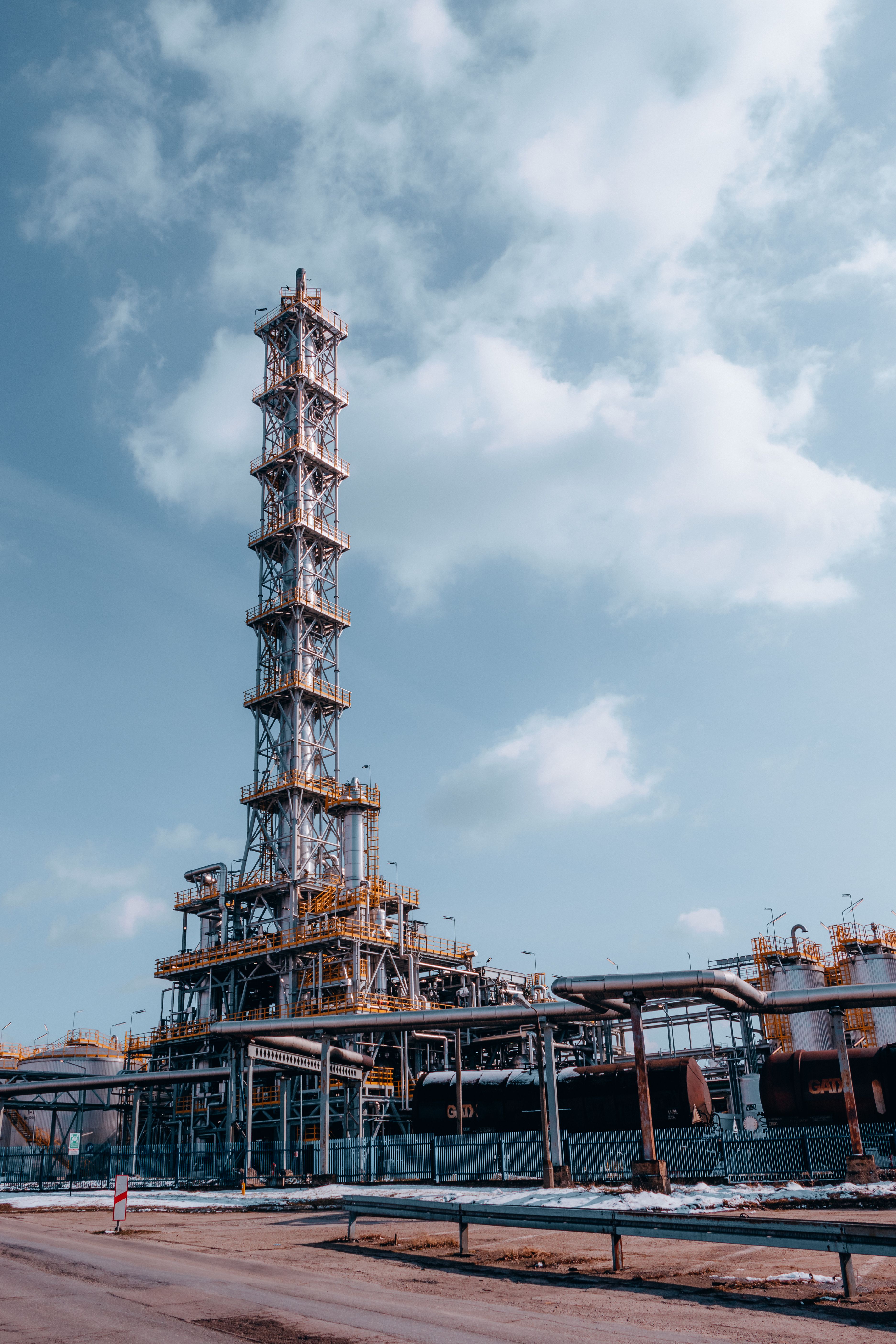
Australia Plans First New Oil Refinery in Over 60 Years to Strengthen Energy Security
Australia is considering building its first new domestic oil refinery in more than six decades, as the government seeks to strengthen the nation's fuel security amid ongoing geopolitical tensions and disruptions to global energy supplies.
Prime Minister Anthony Albanese announced the proposal on Tuesday, saying the project would improve Australia's long-term energy resilience and reduce its reliance on imported fuels.
Government Backs Refinery Feasibility Study
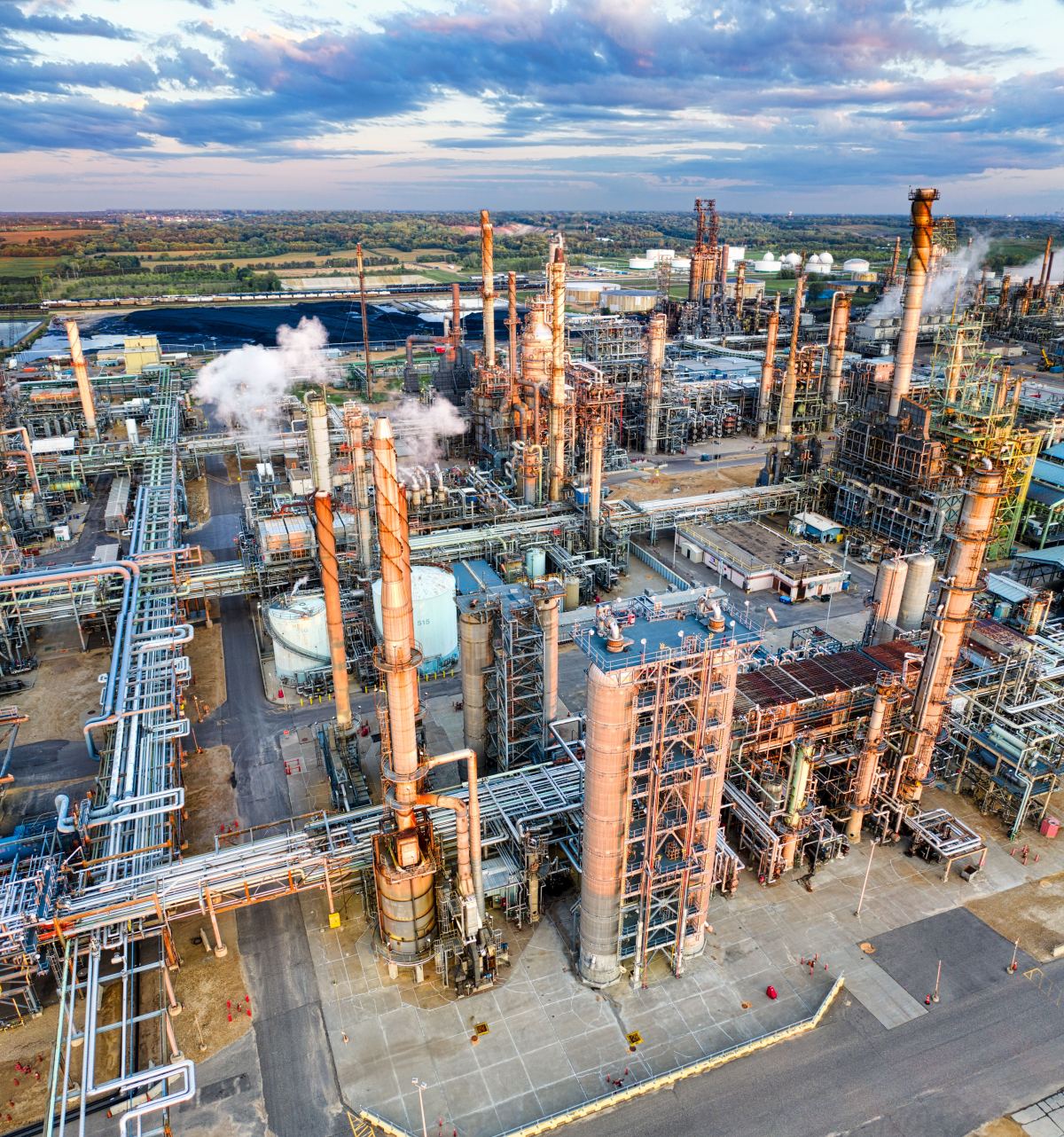
The proposed refinery would be developed by industrial chemical producer Perdaman in Western Australia, subject to the outcome of a government-backed feasibility study.
The Australian federal government and the Western Australia state government will jointly invest A$4 million to assess the project's technical, commercial, and environmental viability.
Albanese said the study will determine the most suitable location and evaluate whether the refinery can operate sustainably over the long term.
Middle East Conflict Highlights Fuel Risks
The announcement comes as instability in the Middle East continues to pressure global energy markets.
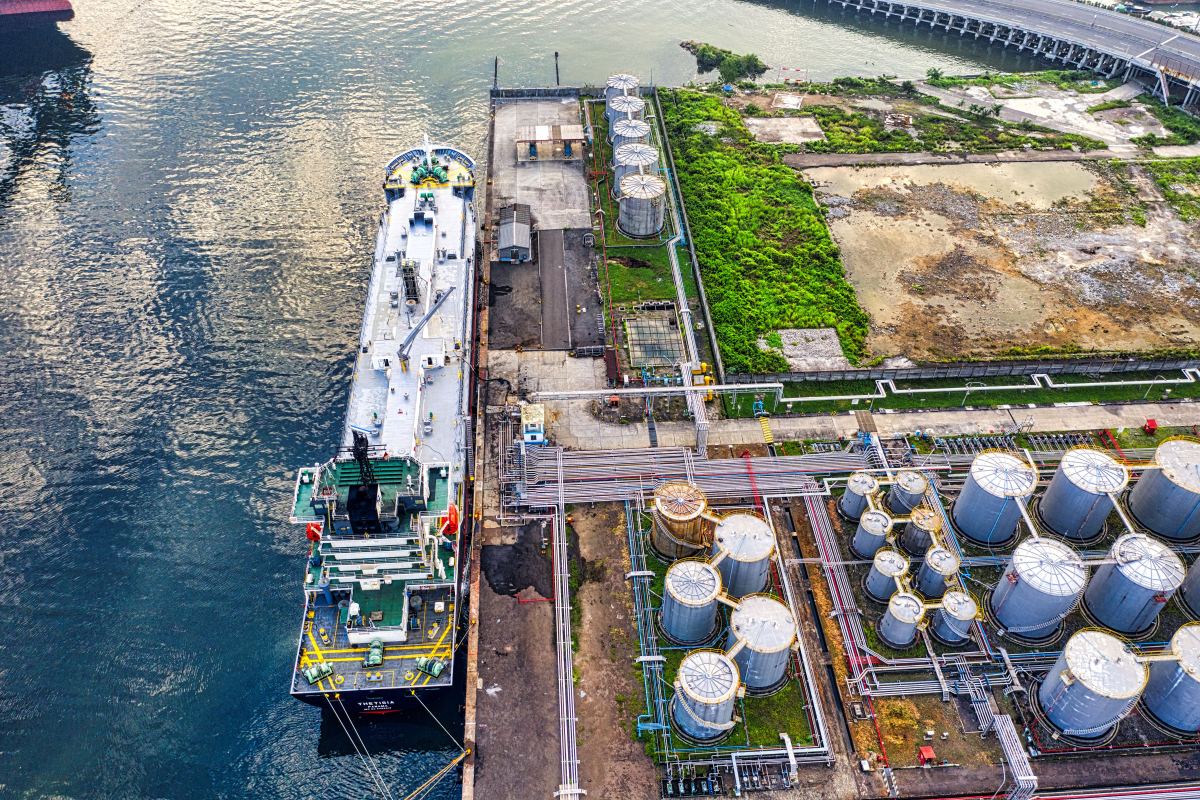
Albanese said the conflict has exposed Australia's dependence on overseas fuel supplies and reinforced the need to improve domestic refining capacity.
By expanding local fuel production, the government hopes to reduce the country's exposure to future supply disruptions caused by international conflicts or market shocks.
Australia Relies Heavily on Fuel Imports
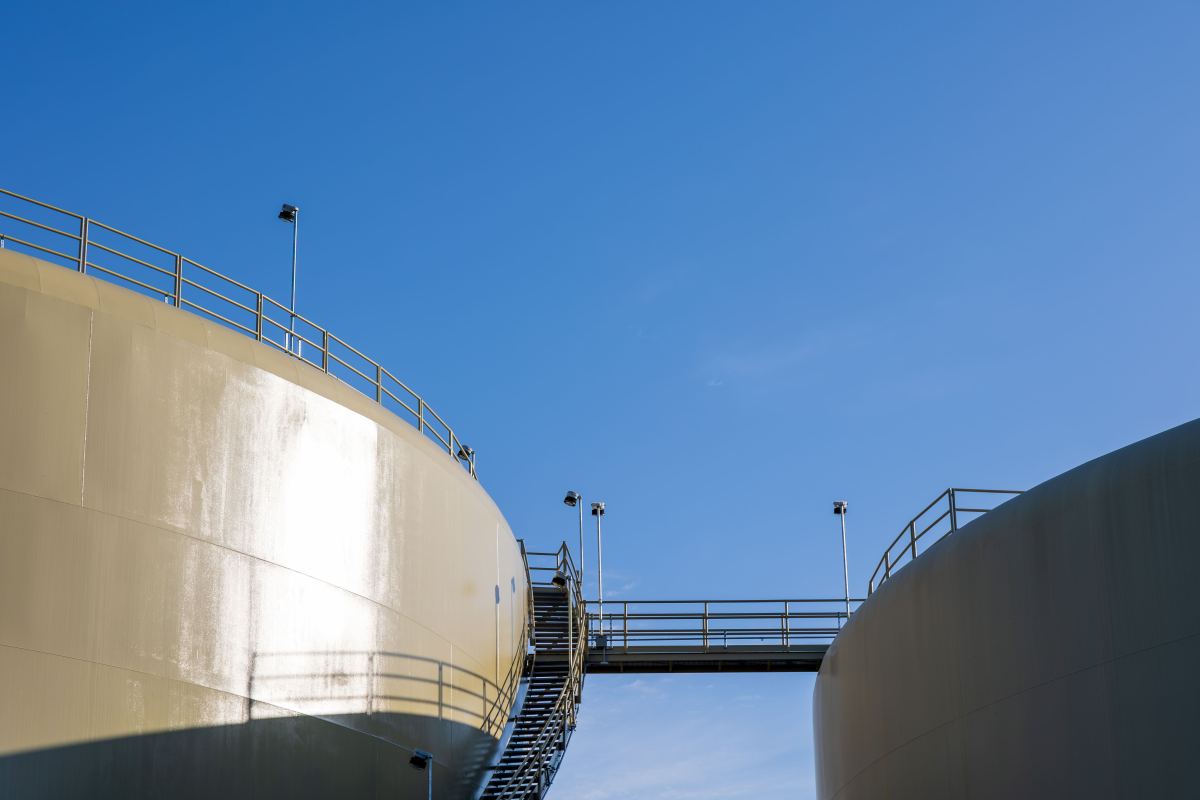
Australia currently imports around 80% of its fuel requirements, making it one of the more import-dependent developed economies.
Government officials have increasingly expressed concern that global fuel supply chains have become more vulnerable as geopolitical tensions intensify and oil inventories tighten.
Strengthening domestic refining capacity is viewed as part of a broader strategy to improve national energy security.
Domestic Refining Capacity Has Declined
Australia's refining industry has contracted significantly over the past several decades.
Most of the country's refineries were built during the 1950s and 1960s, but rising operating costs and growing competition from larger Asian refineries led to multiple closures.
Today, only two major oil refineries remain operational—one operated by Ampol in Queensland and another by Viva Energy in Victoria.
Western Australia's last refinery closed in 2021 after BP converted its Kwinana facility into a fuel import terminal.
Energy Security Becomes National Priority
The proposed refinery reflects Australia's broader efforts to enhance domestic energy infrastructure and reduce dependence on international supply chains.
If the feasibility study confirms the project is commercially viable, it would represent the country's first new oil refinery since the 1960s and a major investment in long-term fuel resilience.
Government officials say strengthening domestic production could help protect Australia from future global energy disruptions while supporting critical industries and transportation networks.